
Thunderstorm Humidity Vegetable Spoilage: Prevention Tips
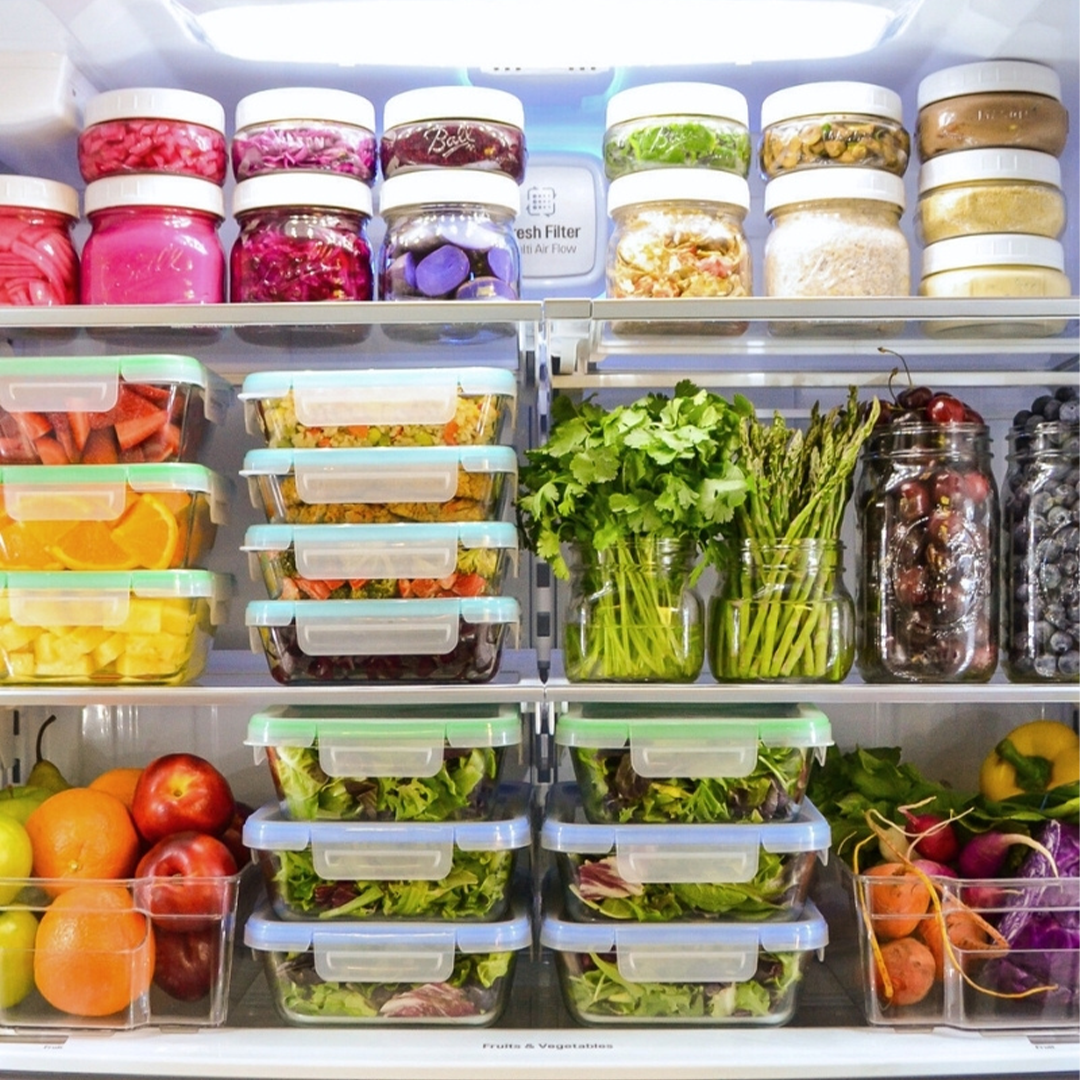
Thunderstorm Humidity Kills Fresh Vegetables in 12 Hours — Here's What to Buy Instead
It's July in Islamabad, and the humidity is absolutely suffocating. By 3 PM, your shirt's stuck to your back, your phone feels like it's melting, and the sky looks like someone turned the world's biggest humidifier on full blast. Here's what nobody tells you: while you're melting, your vegetables are dying. And not slowly — we're talking fully spoiled bell peppers, rotting tomatoes, and slimy spinach within 12 hours.
This isn't just bad luck. Thunderstorm humidity vegetable spoilage is a real phenomenon, and once you understand why it happens, shopping for groceries during monsoon season stops being this frustrating guessing game where everything rots before you use it.
Why Monsoon Humidity Destroys Vegetables So Fast
Look, vegetables are already mostly water. A tomato is like 95% water. An onion is less dramatic but still hanging around 89% water. When thunderstorm humidity spikes — and I mean when it hits those ridiculous 80–90% humidity levels we get right before a storm in Rawalpindi — the moisture outside your vegetable basically equalizes with the moisture inside. Your tomato stops trying to release water into the air because the air is already completely saturated.
But here's where it gets ugly.
Moisture gets trapped in the skin and crevices of your vegetables. That creates a perfect environment for fungi and bacteria to throw a party. They thrive in that humid, wet environment. Your bell pepper or cucumber starts developing soft spots. Mold appears. Sometimes you don't even see it until you cut into the vegetable and find the entire inside has turned to mush.
Thunderstorm humidity vegetable spoilage happens because your fridge can't fight against monsoon season. Even with the AC running, if you've got that humid air coming in and out every time someone opens the door — which happens constantly in Pakistani kitchens — your vegetables are basically sitting in a swamp. The ethylene gas that vegetables naturally release gets trapped too, which speeds up ripening and decay exponentially.
This is exactly why your perfectly fine tomato from the morning market looks like a deflated balloon by dinner.
Which Vegetables Die First
Tomatoes are the first casualties. I hate this, because summer tomatoes should be amazing, but thunderstorm humidity vegetable spoilage hits them hardest. They soften from the inside out. By the time you notice something's wrong, they're already mush.
Leafy greens surrender immediately. Spinach, lettuce, coriander — anything with thin leaves just gives up to the moisture. You'll open your fridge and find them slimy and gross within half a day, sometimes less. Cucumbers and zucchini get soft spots and start developing that bitter, watery taste. Bell peppers develop weird soft patches that feel like they're rotting from inside the skin. Mushrooms turn into little brown slime puddles.
Potatoes and onions hold up better because of their thicker skins, but even they can get surface mold if it's humid enough and you don't store them right. The irony? The vegetables most vulnerable to these conditions are the ones we want most during summer — the light, watery ones that feel refreshing in the heat.
What to Actually Buy on Forecast Days
So what's the move? You can't just stop eating vegetables because there's a storm coming. Real talk: you shift to vegetables that can handle the humidity instead of fighting it.
Root vegetables are your friends. Carrots, beetroot, turnips — these guys laugh at humidity. Their thick skins and dense structure mean they're not going to spontaneously decay in 12 hours. Store them in your fridge's vegetable drawer and they'll last you over a week, even during monsoon season.
Onions and garlic are practically indestructible. I've left onions sitting out in full monsoon chaos and they still took weeks to go bad. Use them in everything — they're the foundation of basically every Pakistani meal anyway.
Cabbage is surprisingly resilient. The layers actually protect the inner leaves from moisture damage. You can keep a whole head in your fridge for weeks without worrying about it becoming a slimy disaster.
Seasonal gourds and okra — bottle gourds, ridge gourds, okra — these vegetables are designed for July weather. There's a reason your dadi knew to make karela and tindora during monsoon season. Our grandmothers figured this out generations ago.
Frozen and dried options aren't affected by thunderstorm humidity vegetable spoilage because they don't have fresh moisture in them. Frozen peas, frozen spinach, sun-dried tomatoes — they're not just backup options, they're sometimes fresher than what you'll find in the market during monsoon.
Storage Actually Matters
Okay, so you've bought your humidity-resistant vegetables. Now don't mess it up by storing them wrong.
First: keep your fridge between 38–40 degrees Fahrenheit. Most people never check this, then blame their vegetables for dying when it's actually their fridge being too warm. Second: separate your vegetables. That tomato you insisted on buying? Keep it away from your onions. Onions release ethylene gas, which speeds up ripening in other vegetables. During monsoon season, this stuff genuinely matters.
Third: use proper containers or bags with some ventilation. Loose vegetables on a shelf create moisture problems. Fourth — and this is crucial during humid weather — don't wash anything until you're ready to use it. Buy, store dry, wash just before cooking.
The Real Strategy
The truth is, buying vegetables during a thunderstorm forecast means you're fighting an uphill battle. The vendors know it. They might be clearing stock that's already starting to go soft because they know it won't last 24 hours.
Here's an insider tip: buy your vegetables after the storm passes, not before. The market usually has fresh stock the next day because things have stabilized. Buy in the morning when the weather's cooler and the humidity hasn't peaked. When you really need produce on a forecast day, you can get these delivered through FreshBox — at least you know exactly when it was picked and delivered straight to your fridge.
Stop accepting that thunderstorm humidity vegetable spoilage is inevitable. It's a pattern you can work with instead of against. Buy what can actually survive monsoon season, store it properly, and time your shopping to the weather instead of pretending it doesn't matter.
Your wallet will thank you.
Ready to start eating healthy?
Browse our selection of fresh produce and groceries, delivered to your doorstep in minutes.
Start Shopping