
Muzaffargarh Chaunsa Mango: Is It Really the Best?
You know that moment when June hits and you're hunting for THE perfect mango? That's when everyone in Islamabad starts arguing about where the best ones come from. Your mom swears by Sindhi from the Fruit and Vegetable Market. Your friend won't shut up about Langra from Lucknow. But honestly? Once you've tasted a proper Muzaffargarh Chaunsa mango, everything else feels like a compromise.
Here's the thing: not all Chaunsas are created equal. The Muzaffargarh Chaunsa mango — specifically from that region in Punjab — is in a league of its own. The difference between a good mango and a Muzaffargarh Chaunsa mango is like store-bought yogurt versus fresh homemade dahi. It hits different.
What Makes Muzaffargarh Chaunsa Special?
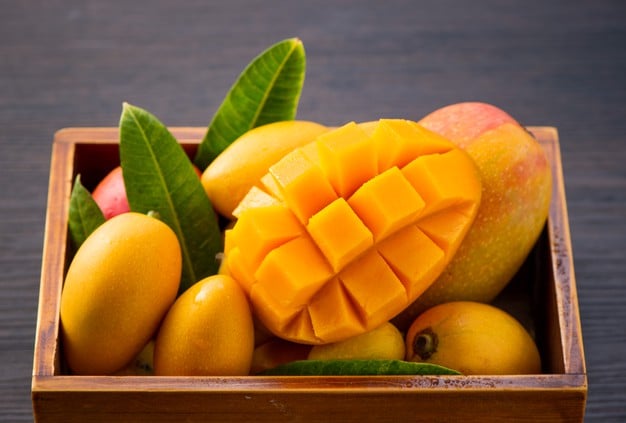
Muzaffargarh sits in the heart of Punjab, and the soil there — slightly alkaline, with that particular mineral content — creates mangoes that are almost criminally sweet. The Muzaffargarh Chaunsa mango has this golden-honey color when ripe, not the deep red-orange of other varieties. The flesh is buttery. Seriously buttery. It melts on your tongue without annoying fibers getting stuck between your teeth.
The sweetness isn't artificial or cloying. It's balanced — you get subtle tartness underneath that keeps it from being sickly. And the aroma? When you cut open a ripe Muzaffargarh Chaunsa mango, your entire kitchen smells like mango heaven.
Peak season runs June through August, though decent ones stretch into early September. Wait too long and you're picking through damaged fruit. Come too early and you get flavorless rocks that won't ripen no matter what you do.
How It Compares to Other Popular Varieties
Sindhi Mango — Reliable and affordable. But honestly? Boring. They have that sharp, lemony tartness, but lack the complexity of Muzaffargarh Chaunsa mango. Great for pickle or lassi. Not for actually enjoying a mango.
Langra — Genuinely excellent. Sweet, less fibrous. But the problem is availability here in Islamabad. Most "Langra" at the market is either not real Langra or picked too early. By the time one reaches Rawalpindi, it's past its prime. And the price? You're paying three times what you'd pay for a Muzaffargarh Chaunsa mango that's arguably better.
Anwar Ratol — The snobby mango. Tiny, expensive, delicious. But here's my unpopular opinion: it's overrated. Smaller, less fruit per mango, and the flavor is less punchy than Muzaffargarh Chaunsa mango. Feeding a family? Chaunsa wins. Showing off to your uncle? Grab the Anwar Ratol.
Dusehri — The middle ground. Not as local as Sindhi, not as fancy as Langra. Pleasant enough, but more fiber and less complexity. I've never met anyone passionate about Dusehri mangoes.
The Taste Test
When you bite into a ripe Muzaffargarh Chaunsa mango, the texture hits first. Dense but creamy — not watery like some varieties. Sweetness builds on your tongue, with subtle floral notes. Some describe it as peachy or honey-like. I think it's uniquely its own thing.
The skin is thin, so you get more actual fruit for your money. It doesn't bruise as easily as Langra, travels better, and keeps longer once ripe. Leave one on your counter and it'll stay good for 3-4 days. Try that with Langra and you're eating brown mush.
The pit is smaller than expected. The flesh-to-pit ratio on Muzaffargarh Chaunsa mango is genuinely better than most alternatives. This matters when you're eating a whole mango — less waste, more satisfaction.
The Honest Drawback
Real talk: premium Muzaffargarh Chaunsa mangoes are harder to find than other varieties. Massive orchards that supply Karachi and Lahore move more Sindhi because it's easier and cheaper. Finding genuinely excellent Muzaffargarh Chaunsa mangoes means going to proper fruit markets early in the season (think the vegetable market near F-10 in Islamabad, arriving by 7 AM) or ordering from a reliable source that knows what they're doing.
Most roadside vendors mix mediocre Chaunsas with exceptional ones and charge the same price. That's why you get disappointed — not because the mango is bad, but because you're getting second-tier fruit at premium prices.
How to Pick a Good One
Run your thumb gently over the skin. It should yield slightly but not feel mushy. Smell the bottom end — there should be strong, sweet aroma. If it smells like nothing, it's not ripe or not a great specimen.
The color should be golden-yellow with maybe a small red blush. That deep red color everyone chases? Usually just marketing. Doesn't mean it's sweeter.
Weight matters. A good Muzaffargarh Chaunsa mango should feel hefty for its size — dense, juicy fruit inside, not hollow.
Here's an insider tip: buying in June? Go slightly firmer. They'll ripen over 2-3 days at room temperature and reach peak sweetness. Come August, pick ones that yield to pressure because they're already at their best.
The Verdict
Is Muzaffargarh Chaunsa mango the objectively "best" mango in the world? No. Other mangoes are delicious in different ways. But if you're in Pakistan during mango season and want the highest ratio of taste, texture, and value? It's the answer. Sindhi for affordability, Langra for showiness, Anwar Ratol if you've got cash. But Muzaffargarh Chaunsa mango is the one I'm buying for my table.
Come June, I'm at the market hunting specifically for these. Once you try a really good one, you'll understand why.
You can order these during season via FreshBox if your local market is looking thin.
Ready to start eating healthy?
Browse our selection of fresh produce and groceries, delivered to your doorstep in minutes.
Start Shopping
Written by
Faisal ShehzadFaisal Shehzad writes practical, locally-grounded guides on groceries, seasonal produce, nutrition and home cooking for households across Islamabad and Rawalpindi.
View all articles →