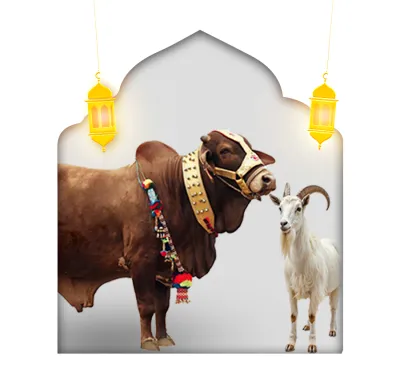

Qurbani Beef vs Mutton: Which Meat Makes the Best Eid Recipes
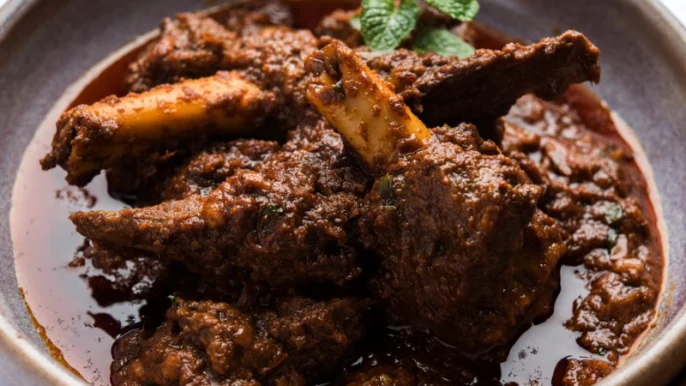
Understanding Qurbani Beef vs Mutton
Every Eid, the same conversation happens in Pakistani homes. Your mother-in-law insists the mutton has more flavor. Your husband votes for beef because it's less overwhelming. Your uncle mentions he's seen better decisions at the Saidpur Village vegetable market than some families make in their own kitchens. Sound familiar?
The beef versus mutton question isn't just about taste—it's about what your kitchen can actually execute, how much time you have, and honestly, what your family's palate can handle. Some households genuinely can't digest heavy mutton without consequences. Others find beef bland compared to the rich, earthy notes of well-cooked lamb meat. So which one deserves the prime real estate on your Eid table?
Understanding Qurbani Beef
Beef from a well-fed sacrificial animal is actually leaner than you'd think. The meat has a milder flavor profile—less pronounced than mutton, with a cleaner finish that doesn't sit heavy on your stomach. When you're cooking for extended family or people with sensitive digestion, beef wins that round hands down.
The thing about beef is that it responds well to marinades. Because the flavor is gentler, it absorbs spices like they're going out of style. Soy sauce, ginger-garlic paste, yogurt, fresh cilantro—all of these sink into the meat and do their job. You're not fighting against an overwhelming base flavor. You're building on a neutral canvas.
That said, beef can dry out if you're not careful. Cook it too long on high heat and you'll end up with something that tastes like rubber. Qurbani beef needs respect—medium heat, patience, and maybe a splash of water or stock to keep things moist.
Understanding Qurbani Mutton
Mutton is the flavor bomb. Every cell of that meat is screaming spice, richness, fat, and depth. If you want your nihari to taste like it came from a proper old-Rawalpindi establishment, mutton is your answer. That distinctive taste—some people call it gamey, I call it authentic—doesn't need much help. You could honestly just throw it in a pot with water, salt, and ginger, and it would still be better than most people's elaborate beef curries.
The fat in mutton is where the magic lives. That's not a bad thing, contrary to what low-fat diet culture might tell you. The fat carries flavor compounds that make every spoonful satisfying. One small piece of mutton in your mouth and you're done—you feel full, you feel happy, you feel like you've actually eaten something.
But here's the real talk: not everyone can digest heavy mutton easily. It sits in your stomach longer. It requires stronger digestive enzymes. There's a reason your grandmother made you wait an hour before lying down after mutton biryani.
The Direct Comparison
When you're comparing qurbani beef vs mutton, you're really comparing speed versus depth. Beef cooks faster—30 to 45 minutes for a proper karahi if you're not messing around. Mutton? You're looking at 60 to 90 minutes for that same tenderness level, sometimes more if you want it falling-apart tender.
Flavor-wise, mutton is the aggressive choice. It dominates the dish. Beef is the diplomat—it plays well with others and lets your masala shine. Want a light, aromatic korma? Beef. Want a heavy, slow-cooked nihari that tastes like home? Mutton.
From a digestive standpoint, beef is significantly easier on your system. Mutton demands more hydrochloric acid from your stomach. If you're cooking for older relatives or anyone with a temperamental digestive system, beef is the thoughtful choice.
Cooking Time and Methods
Here's where beef starts winning practical points. You can pressure cook beef for 30 minutes and get perfectly tender meat. Try that with mutton and you might end up with slightly bouncy texture that nobody wants. Mutton benefits from slow, steady heat—preferably a thick-bottomed pot on medium heat for 60 to 90 minutes, sometimes longer.
This matters on Eid when your kitchen is already operating at maximum chaos. If you're making multiple dishes, beef's faster cooking time is a legitimate advantage. You're not watching pots boil over while your cousin is yelling about the dessert timing.
The other advantage of beef? It's more forgiving. Even if you overcooked it slightly, beef stays edible. Mutton can develop a rubbery texture if you push it too far. That's just how the protein structures work.
Best Recipes by Meat Type
Certain dishes absolutely demand mutton. Proper nihari needs that deep, rich base that only mutton provides. Haleem absolutely requires mutton—beef haleem tastes like something's missing. Paya soup, karahi, and slow-cooked kormas all benefit from mutton's intensity.
Beef shines in faster dishes. Beef karahi cooked on high heat with tomatoes and fresh green chilies is genuinely excellent. Beef keema works beautifully—the minced texture means it cooks incredibly fast and absorbs spices readily. Beef kababs are fantastic too, though that's veering away from traditional Eid territory.
Your aunt swears that qurbani beef vs mutton comes down to which traditional dish you're making. And she's not wrong. The meat should serve the recipe, not fight it.
Storage and Quality Matters
Whether you choose qurbani beef vs mutton, quality is everything. Get your meat from someone you trust. Watch how they store it. Smell it carefully before buying. Fresh meat smells clean and neutral. If there's any funk, walk away.
Both meats should be bright red, not gray or brown. The fat should be white, not yellow. Store immediately in your coldest section of the fridge if you're cooking within 24 hours, or freeze it properly if you're planning ahead. Freezer burn ruins both beef and mutton equally.
One more thing—don't buy your meat two weeks before Eid and expect miracles. Shop three to four days before you cook. The meat will be fresher, the quality obvious, and your cooking will be noticeably better.
Where to Get Fresh Meat
You can hunt through the F-10 market if you want the traditional route, but honestly, that's exhausting during Eid week. You're fighting crowds, dealing with traffic chaos, and hoping the vendor has good stock. The alternative—having reliable meat delivered straight to your kitchen through FreshBox—would've sounded impossible five years ago.
Knowing exactly what you're getting means you can focus on the cooking, not worrying about whether you've been cheated on quality. Fresh, proper qurbani beef vs mutton delivered on your schedule is genuinely different from impulse purchases during weekend market madness.
Which Should You Choose?
Here's my honest take: choose beef if you're cooking for a crowd with mixed digestive systems, or if you're short on time. Choose mutton if you want that full-bodied Eid experience and you have the kitchen time to do it properly. Both are legitimate. Both make fantastic meals when you respect the meat and cook it right.
The only real mistake is settling for mediocre meat regardless of which one you choose.
Ready to start eating healthy?
Browse our selection of fresh produce and groceries, delivered to your doorstep in minutes.
Start Shopping
Written by
Faisal ShehzadFaisal Shehzad writes practical, locally-grounded guides on groceries, seasonal produce, nutrition and home cooking for households across Islamabad and Rawalpindi.
View all articles →