
Toll Rates Pakistan Inflation: Why Your Groceries Cost More
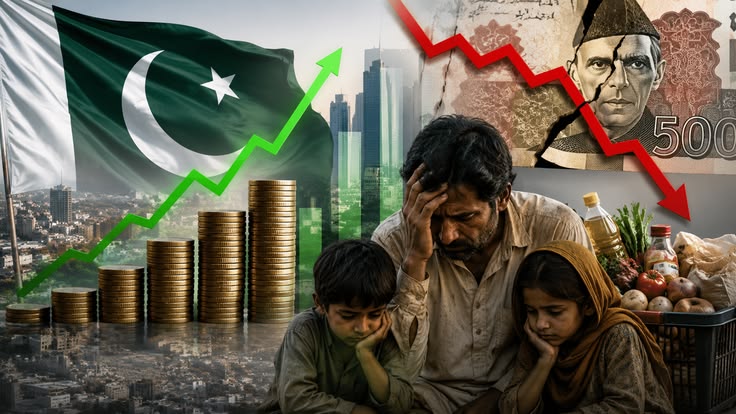
Why Toll Rate Increases Are Making Pakistani Food More Expensive
Ever noticed your grocery bill looking heavier these days? It's not your imagination, and it's definitely not just inflation doing laps around Islamabad. There's a much deeper problem: toll rates Pakistan inflation is squeezing every part of the supply chain, and your weekly vegetable run is bearing the weight of it.
Here's what's actually happening. The government's toll increases on highways — especially the motorway corridor between Rawalpindi and the fertile plains of Sindh and Punjab — have created a cost explosion for anyone moving goods. When a truck carrying tomatoes, cucumbers, or dairy products has to shell out significantly more just to reach the market, that cost doesn't disappear. It gets passed down to you. And we're not talking small numbers. We're talking 30-40% increases on certain routes.
The Real Damage: How Toll Rates Impact Your Food
Look, the math is brutal. A truck carrying produce from Multan to Islamabad now pays substantially more in tolls. That truck was already paying for fuel, driver wages, vehicle maintenance. Now add higher toll fees to that, and suddenly the economics change completely.
Distributors pass these costs to wholesalers. Wholesalers pass them to retailers. Retailers look at their margins, shrug, and pass them to you. It's a cascade that nobody can stop because everyone's operating on narrow margins. A grocer isn't making huge profits on tomatoes. They're living deal-to-deal. When their input costs jump, they have no choice but to raise prices.
The toll rates Pakistan inflation problem isn't just about one increase either. It's compounding. Multiple toll plazas, multiple highways, rising fuel costs alongside rising tolls — it's a perfect storm nobody ordered. The M2 motorway alone has multiple toll plazas. If you're moving produce from one end of the country to another, you're hitting several in one trip.
Where You're Feeling This at Your Grocery Till
Let me break down where the squeeze is real, because it's not uniform. Some food categories are getting hammered harder than others.
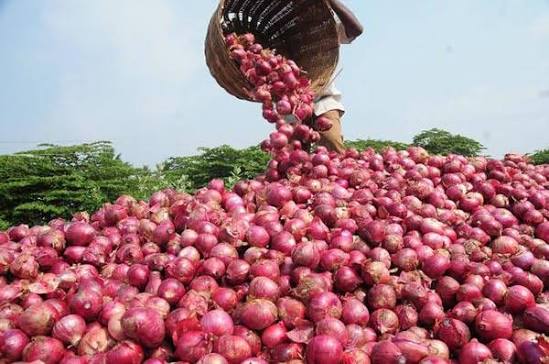
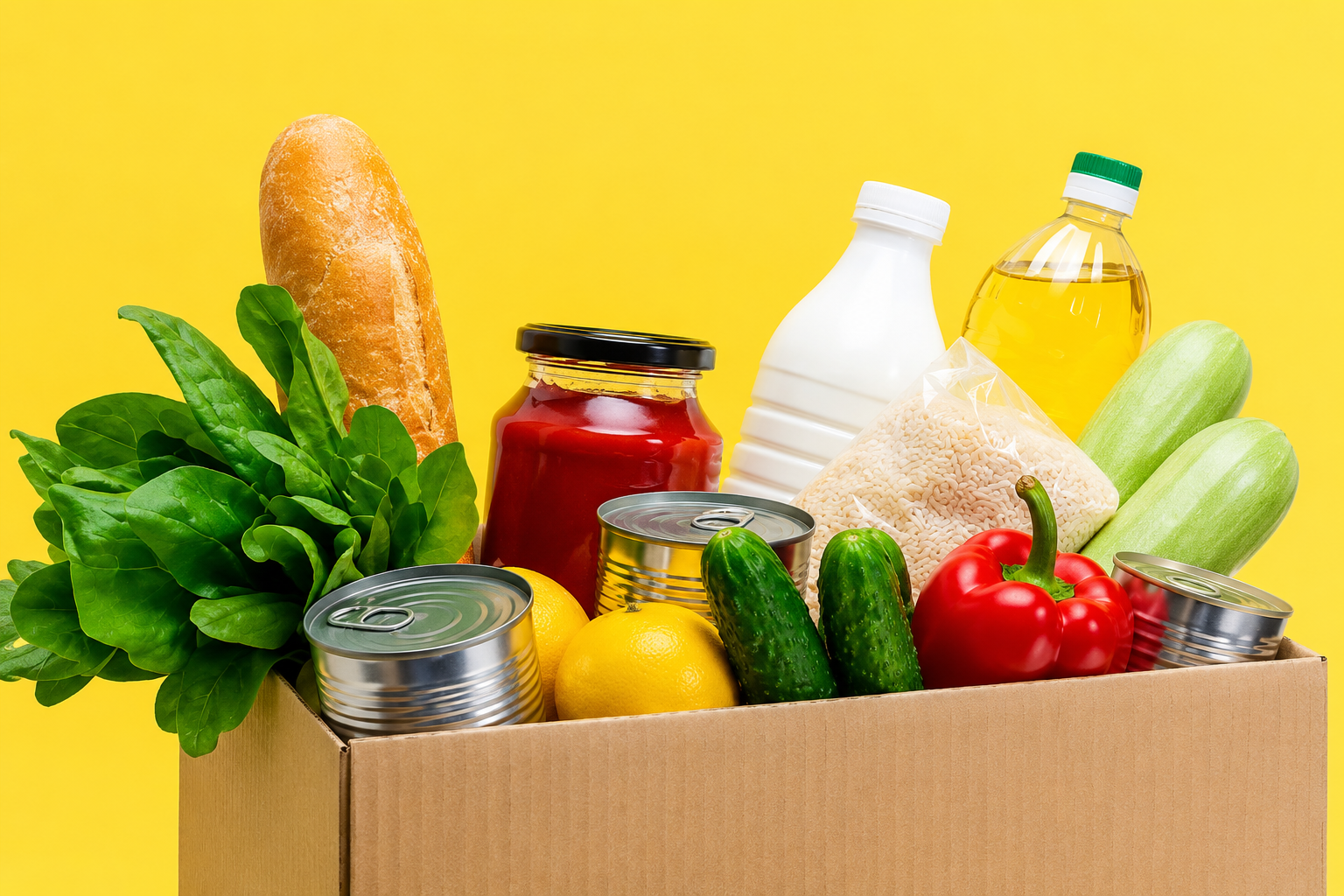
Fresh produce first. Vegetables travel the farthest and the slowest, which means every toll plaza adds up. Tomatoes from Sindh, onions from Peshawar, peppers from wherever — they all pass through toll plazas. When a vegetable seller tells you the price is higher this week, they're often just passing along what they had to pay after tolls.
Dairy products are brutal too. Fresh milk, yogurt, paneer — these have incredibly tight margins, and toll rates make them tighter. Milk takes a specific route at a specific temperature, which means transport isn't flexible. It's paying full tolls on established roads. A dairy distributor doesn't have the luxury of saying "let me take the back roads to save money." There aren't back roads for refrigerated goods.
Oils and ghee have gotten expensive partially for the same reason. Transport costs are baked into the final price. Cooking oil, mustard oil, pure ghee — when tolls go up, these prices follow within weeks. Spice importers face similar issues. Whether it's saffron coming from Kashmir or red chili powder from Sindh, the transport costs are climbing.
Even meat and poultry aren't immune. The cold chain requires highway movement, which means toll plazas. So your chicken biryani ingredients are costing more across the board.
The Supply Chain Breakdown
Here's something most people don't realize: toll rates Pakistan inflation doesn't just affect the final truck that brings stuff to your neighborhood. It affects every single movement in the chain.
A farmer in Punjab doesn't just sell directly to you. The produce goes to a trader, then to a distributor, then to a wholesaler, then to a retailer. Each step involves movement. Each movement crosses toll plazas. Each toll plaza charges. So a single batch of onions might pass through four or five toll points before reaching your kitchen. Every single one adds cost.
And it's not just about the percentage either. Some tolls are fixed fees — a truck pays the same whether it's half-full or completely loaded. So if a truck is half-empty because of higher costs, that expense gets spread over fewer units. Your onions just got more expensive because the truck couldn't fill up completely.
Real Impact: Numbers That Actually Matter
Want to know what this actually looks like? Say a distributor was paying 5,000 rupees in tolls to move produce from Sindh. Now it's 7,000 rupees or more. That's 2,000-3,000 rupees extra per load. On a load divided among dozens of retailers and hundreds of customers, it might be just a few rupees per item. But multiply that across every item in your cart, and suddenly your onions cost 10% more, your tomatoes 12% more, your yogurt 8% more. Now you're looking at 500-1,000 extra rupees on your weekly grocery bill.
What You Can Actually Do
Real talk: you're not going to stop toll rates from existing. But you can be smarter about shopping.
First, buy seasonal and local. When you're buying what's in season right now in Punjab or KP, it hasn't traveled as far and hasn't hit as many tolls. July strawberries from Malakand cost more because they've traveled further through the toll system. But spinach? Okra? Zucchini? These are everywhere right now and they're cheaper because they haven't been transported across half the country.
Insider tip: the cheapest produce is always what's in season and what's grown locally. This isn't just about price — it's also about freshness and taste. You genuinely win on both fronts.
Second, shop in bulk when you find deals. A lower price on tomatoes or potatoes means it's worth buying more and preserving. Freeze what you can. Dry what you can. Make pickles if you're feeling ambitious. This is how families in Rawalpindi and Islamabad have always worked around food supply fluctuations anyway.
Third, skip the single retailer and go straight to the wholesale market when possible. Markets — especially early morning visits to the F-10 market or the Sunday Bazaar — have less markup because they're closer to direct suppliers. Fewer toll points means lower costs.
The Bigger Picture
The toll rates Pakistan inflation situation isn't going away anytime soon. Government revenue needs to come from somewhere, and toll highways fund maintenance and expansion. But that doesn't mean your food prices have to keep climbing forever.
Understanding where your food comes from, how many toll plazas it passes through, and what's seasonal versus what's being trucked across the entire country — this knowledge is your actual weapon against rising prices. You can't control tolls. But you can control what you buy and when.
If you want to sidestep the market chaos entirely and still get fresh produce, you can order through FreshBox, which handles some of that supply chain complexity for you. But the core principle remains: awareness is your best tool.
Next time you're shopping, think about the journey your food took. Think about how many toll plazas it crossed. Think about whether buying something local right now is worth it. Because understanding how toll rates Pakistan inflation affects your food means you're already making smarter choices than most people.
Ready to start eating healthy?
Browse our selection of fresh produce and groceries, delivered to your doorstep in minutes.
Start Shopping
Written by
Faisal ShehzadFaisal Shehzad writes practical, locally-grounded guides on groceries, seasonal produce, nutrition and home cooking for households across Islamabad and Rawalpindi.
View all articles →