
Why Muharram Month Cooking Isn't Like Ramadan At All
The Confusion Nobody Talks About
Everyone assumes Muharram cooking is just Ramadan cooking without the sunrise deadline. It's not. And that misunderstanding ends up on your dinner table in weird ways.
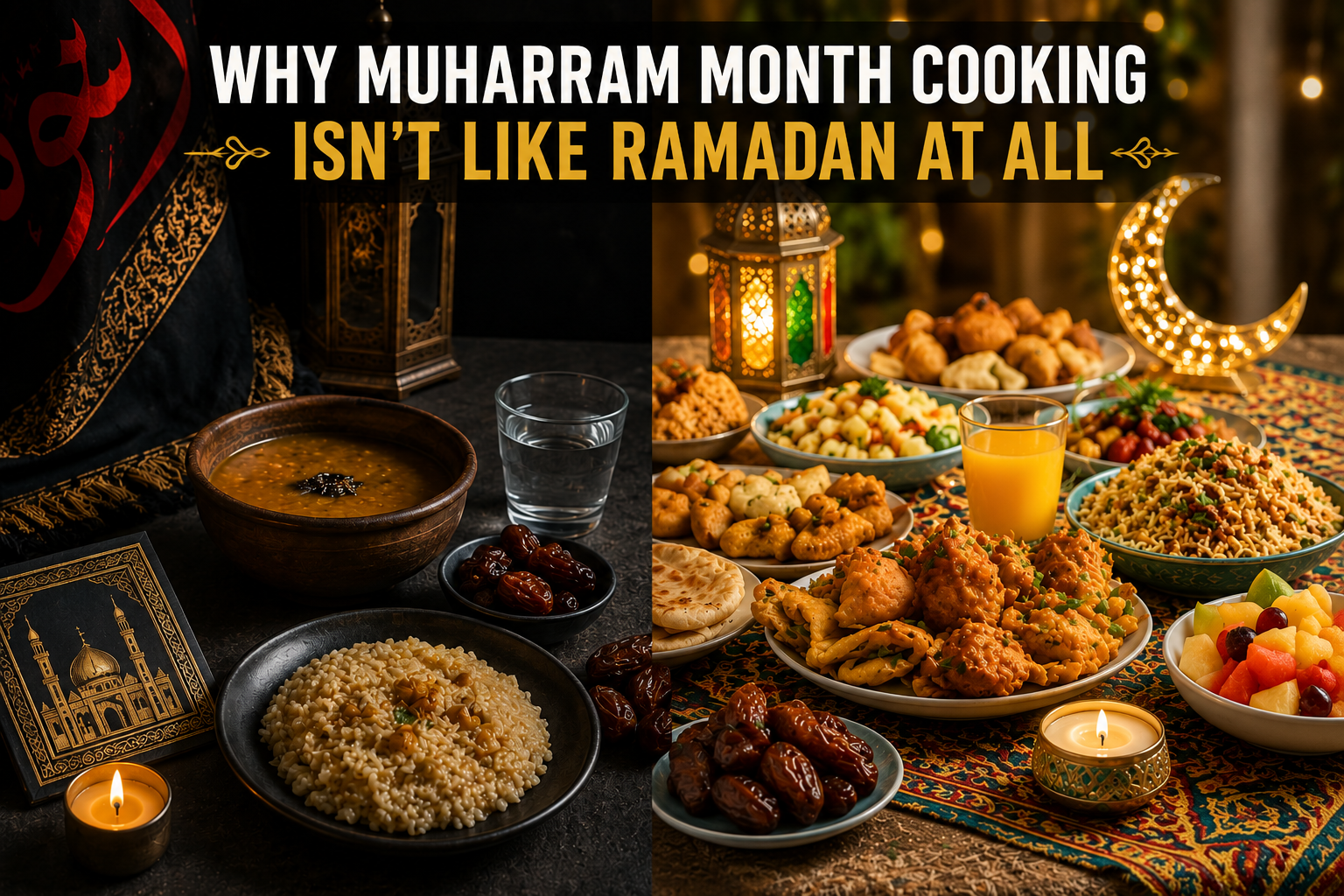
Muharram month cooking is an entirely different vibe. Sure, both months carry religious significance in the Islamic calendar, but the culinary approach? Completely different. In Ramadan, you're racing against time — breaking a fast, celebrating with rich biryani, fried pakora, shahi tukda for dessert. It's joyous. Muharram, especially the first ten days and particularly the 9th and 10th (Tasua and Ashura), is solemn and reflective. Your kitchen approach should reflect that.
The problem is most households just shift their Ramadan habits into Muharram without thinking. Same heavy curries. Same deep-fried everything. Same massive platters meant for celebration. Then they wonder why the mood feels off.
What Muharram Actually Demands
Here's the thing: Muharram month cooking isn't about restriction like Ramadan is. There's no dawn-to-dusk fast. But there IS a spiritual heaviness that changes how you should approach food.
The first ten days of Muharram — especially day 9 and 10 — are called the Days of Ashura. This is when many Muslim households, particularly Shia communities, observe Matam (mourning remembrance) and Majlis gatherings. The food served at these gatherings is meant to be humble, dignified, and communal — not a display of wealth or culinary skill.
In Pakistani households during Muharram month cooking, you'll notice fewer fried items and more stewed, slow-cooked dishes. Simpler presentations. Recipes passed down through generations, not experimental ones. Meals meant for guests and mourning gatherings, not just family celebrations. More vegetable-forward curries instead of meat-heavy ones. Simple breads like chapati instead of naan or paratha.
The Energy Shift
When you're cooking for Ramadan, you cook with celebration energy. When you're cooking for Muharram month cooking traditions, you cook with reverence. That changes spice ratios. That changes cooking times. That changes what you reach for at the market.
Why Your Go-To Recipes Might Be Wrong
Real talk: that biryani-every-other-day approach from Ramadan doesn't belong in Muharram.
Biryani is celebratory. It's the dish you make to mark joy and abundance. In Muharram, particularly during Ashura, it's not appropriate. The same goes for desserts — those elaborate shahi tukda, kheer with dry fruits, fried barfi. Save those for after Muharram.
Instead, during muharram month cooking, households traditionally lean into dishes built for community. Haleem and slow-cooked lentil curries are the backbone of Ashura meals. Not because they're restrictions, but because they're meant to be prepared communally, in large batches, for gatherings. There's something about the hours-long cooking process that fits the meditative nature of the month.
You'll also see simple vegetable curries — peas and potatoes, spinach, bottle gourd. Not showing off, just honest food. Bread and rice-based dishes like thin chapati, simple white rice, maybe pulao, but nothing layered or complex. Soups and light stews. Lentil soup, split pea soup, and simple broths make sense here. For sweets, think kheer (rice pudding) made simply, not shahi tukda. Fresh fruit. Yogurt-based dishes.
The Ingredient Shift
Your shopping list changes when you're thinking about muharram month cooking seriously.
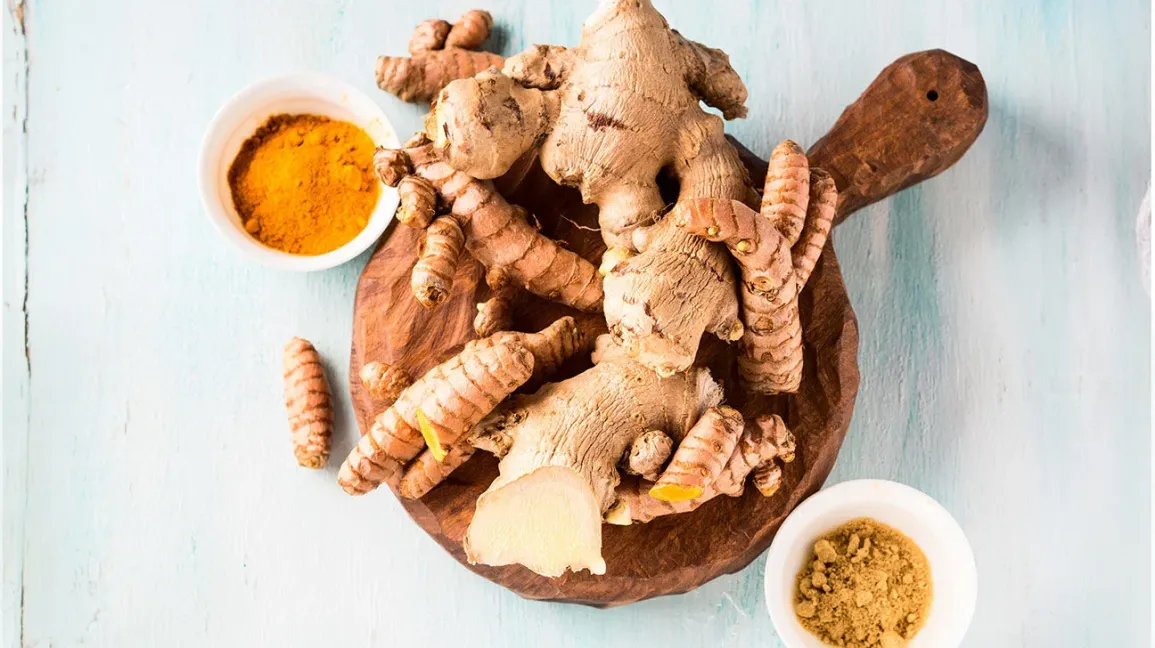
Instead of expensive cuts of meat, dry fruits for garnish, multiple types of fancy rice, and heavy cream-based recipes, you reach for lentils (all varieties — masoor, moong, chana), seasonal vegetables, onions, tomatoes, ginger, garlic, simple yogurt, plain white rice, and honey instead of refined sugar for sweets.
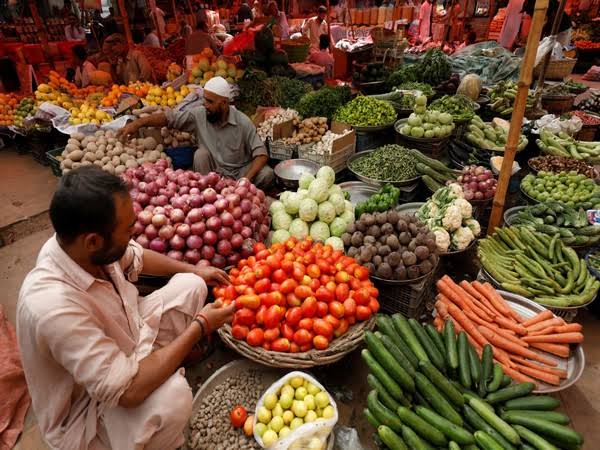
The vegetables matter. Because Muharram falls around summer-to-autumn transition, you have amazing produce available. Use it. Simple curried squash is more appropriate than elaborate biryani. And honestly? Your wallet notices the difference too.
The Insider Tip
Here's something most people won't tell you: the best muharram month cooking happens when you cook the same thing multiple days in a row. Not because you lack creativity, but because it lets you perfect it. One haleem recipe, refined over four days. One lentil curry, adjusted as you go. This isn't lazy — it's respectful. It gives you time to be present instead of scrambling through complicated recipes.
Think Community, Not Showoff
Muharram month cooking is inherently communal. Most dishes should be shareable — meant for Majlis gatherings, for neighbors, for anyone who might visit. This changes portions, presentation, and plating.
Cook bigger batches of simpler food. Make extra. Be ready to serve unexpectedly. This is the opposite of Ramadan's festive preparation. It's humbler. More generous in quantity, less flashy in execution. And in a city like Islamabad, where traffic near F-10 market can turn a simple shopping trip into an hour-long ordeal, having extra food ready for unexpected guests is actually practical wisdom.
The Practical Shift
If you're transitioning from Ramadan to muharram month cooking habits, start by dropping deep frying entirely. Your fryer can rest. Stew, simmer, and slow-cook instead.
Second, simplify your spice base. You're not building complex flavor layers — you're creating straightforward, honest food.
Third, buy basic ingredients in bulk. Lentils, onions, tomatoes, ginger. Ignore the fancy produce section for these nine to ten days. The best meals during Muharram aren't about ingredient quality in the showoff sense — they're about preparation, intention, and respect for the moment.
After Muharram
Here's the thing about the seasonal shift too: as you move out of Muharram into the cooler months, you'll naturally want different food anyway. Your body wants warmth, more protein, heavier dishes. So this isn't a forever change — it's a month-long reset that happens to align with everything Islam teaches about Muharram's spiritual weight.
Muharram month cooking teaches you to be intentional with food. It reminds you that not every meal needs to be elaborate or celebratory. Sometimes the meal is about the gathering, the intention, the respect for the moment. Sometimes it's about feeding people simply, generously, without fanfare or fuss.
You can get the basics you need — fresh vegetables, quality lentils, pure yogurt, good ghee — delivered through FreshBox so you can focus on the cooking itself, not battling the chaos of the vegetable market or navigating Sunday morning crowds.
Ready to start eating healthy?
Browse our selection of fresh produce and groceries, delivered to your doorstep in minutes.
Start Shopping
Written by
Faisal ShehzadFaisal Shehzad writes practical, locally-grounded guides on groceries, seasonal produce, nutrition and home cooking for households across Islamabad and Rawalpindi.
View all articles →