
Ashura Community Cooking: Complete Bulk Shopping Guide
Your First Time Cooking at Scale? Here's What You Need to Know
The email lands in your inbox a week before Ashura: "We need volunteers in the kitchen. Can you help?" Your stomach does a backflip. You've cooked for eight people max. Now you're thinking about feeding hundreds in your local imambargah. If your mind's already spinning, good — that means you're taking it seriously. Ashura community cooking isn't complicated, but it's fundamentally different from home cooking. The math is different. The equipment is different. And honestly, the mindset needs to shift too. This isn't about showing off your special biryani recipe. It's about feeding people efficiently, respectfully, and without spending your entire paycheck in the process.
The Wholesale Mentality Changes Everything
Here's the thing: when you're cooking at home, you buy ingredients that taste good. When you're doing ashura community cooking, you buy ingredients that scale well, hold up in bulk, and won't have you crying over the stove at 2 AM because something went wrong. Every kilogram matters. Every rupee matters.
The first mental shift? Stop thinking in one-kilogram packages and start thinking in ten-kilo sacks. A chicken biryani for six people uses maybe 1.5 kilos of basmati rice. For two hundred people at ashura community cooking events? You're looking at fifty kilos minimum. The volume changes how you shop, how you prepare, and what equipment you actually need. It changes everything.
The Non-Negotiable Basics
Let's start with what actually goes into the pot. Whether you're making biryani, nihari, split pea stew, or vegetable curries, certain things never change.
Rice and Grains
Buy basmati rice in bulk from wholesale suppliers — the good kind, not the broken stuff that gets cheaper. For two hundred people eating a rice-based dish, budget fifty to sixty kilos. Yes, really. People pile it on their plates when they're eating at a gathering, and half of them will want seconds anyway.
Brown or regular lentils? Get both. Lentils are cheap, nutritious, and most communities expect them as part of the meal. Budget fifteen to twenty kilos for a large community event.
Proteins
Chicken and mutton are the obvious choices. For a community event feeding two hundred people, plan for sixty to eighty kilos of mixed protein. Buy from wholesale butchers near F-10 market or the larger suppliers in Rawalpindi if you have connections — the price difference compared to retail is significant, and the quality is usually better.
Dried chickpeas and kidney beans stretch your protein budget. They add substance to any curry. Buy pre-soaked if you can find them, or budget extra time for soaking overnight. Nothing worse than crunchy chickpeas when you've got a hundred people waiting for food.
Vegetables
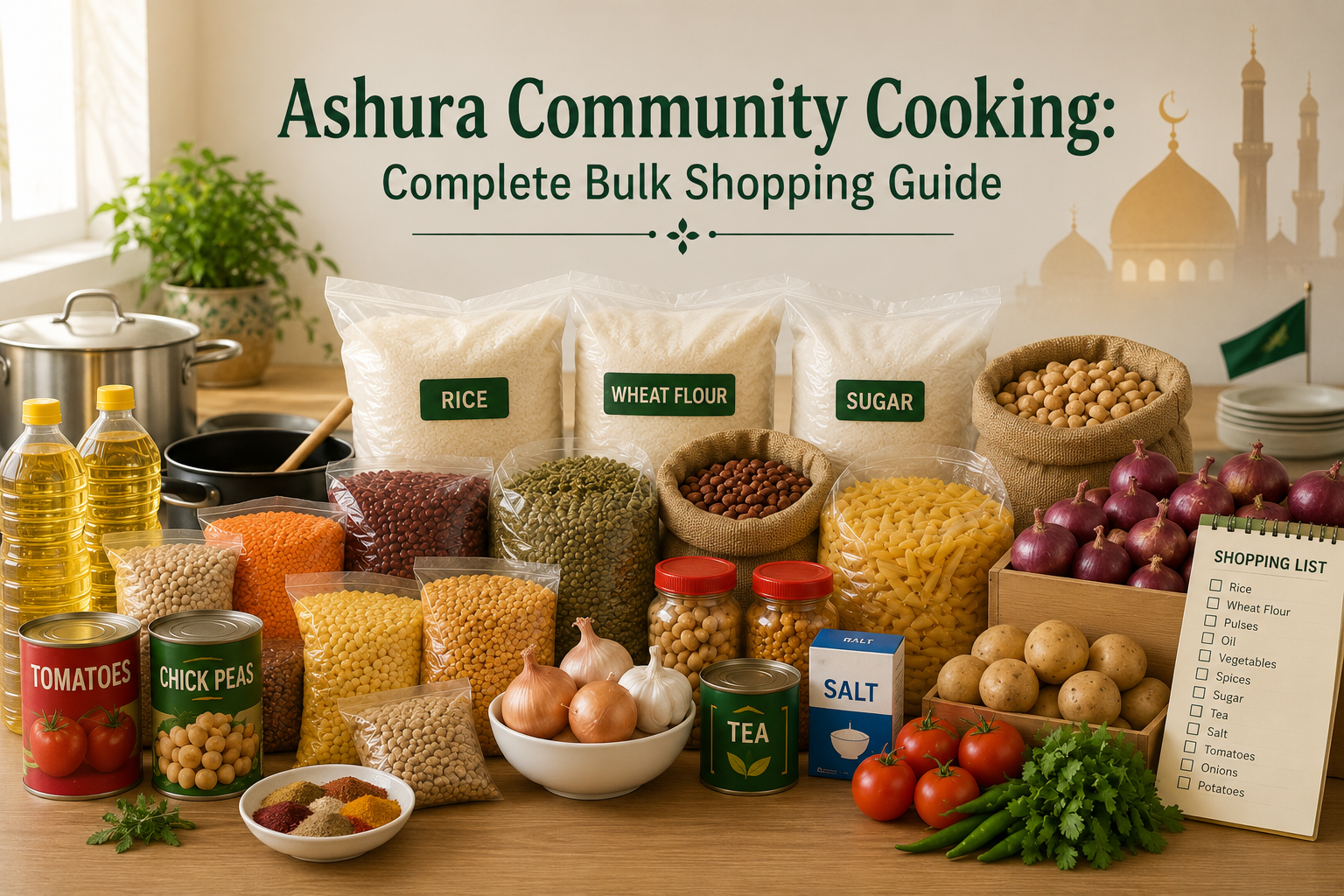
Onions, tomatoes, and potatoes form your base. For ashura community cooking in June, you're looking at: twenty to twenty-five kilos of onions, fifteen to twenty kilos of tomatoes (fresh or canned, depending on season), ten to fifteen kilos of potatoes. These aren't fancy amounts — they're just what actually gets used when you're cooking at scale.
Buy seasonal. In June, tomatoes are cheap and abundant. Use that. Green peppers, carrots, and peas if you're making biryani. Spinach or bitter greens if you're making saag. The season decides your menu.
Spices and Flavor Builders Nobody Budgets For
This is where people mess up. They think they can just multiply their home recipe. No. Ashura community cooking requires rethinking your spice amounts because scaling isn't linear.
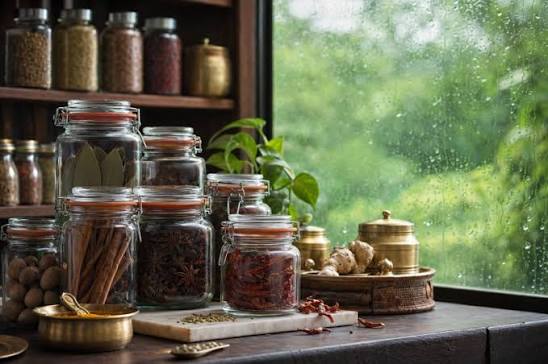
Buy spices in bulk from the wholesale market, not from your corner shop. Get whole spices when possible — cloves, cinnamon, cardamom — they keep longer and cost half the price. Ground spices lose potency fast, especially in the heat of June.
Budget for: five hundred grams of cumin, five hundred grams of coriander, two hundred fifty grams of turmeric, two hundred fifty grams of red chili powder, two hundred grams of ginger-garlic paste (buy fresh garlic and ginger in bulk and make this yourself — it's cheaper), whole cinnamon sticks, cloves, and cardamom.
Ghee and oil? Buy the large containers. You'll use five to ten kilos depending on what you're cooking. The smell when you're tempering spices in that much ghee — that's when you know you're doing it right. That's the smell of ashura community cooking happening.
The Wholesale Shopping Strategy That Actually Works
You need a plan before you start shopping. Write down exactly what you're making. Count heads realistically, not hopefully. Calculate quantities. One person leads this. Only one.
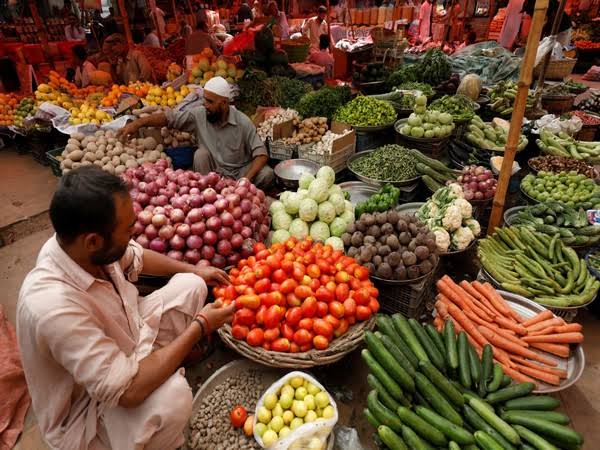
Shop early in the week, not the day before. Produce markets are chaos on weekends, and prices jump by Thursday. Hit the wholesale vegetable markets in Rawalpindi early morning — six AM, before the retail crowds show up and before the heat kills the produce.
Bring help and bring cash. Large quantities mean large transactions, and not all vendors take cards. Split the shopping list: someone handles produce, someone gets proteins from the butcher, someone gets dry goods and spices. This saves time and prevents you from accidentally buying fifteen kilos of cilantro when you meant to buy two.
The Calculation Nobody Mentions
Always buy ten to fifteen percent extra. A visitor shows up with their family. Someone miscalculated their portion. The heat causes faster water evaporation in the curry pots. You'll use it. Running short of rice at an ashura community cooking event is the kind of stress you don't want at two in the morning.
Real Tips From People Who've Done This
Prep everything the day before if possible. Chopped onions and tomatoes in containers in the fridge. Soaked lentils. Marinated meat. When you're cooking in bulk, prep time is what destroys you.
Label everything clearly. Write on masking tape and stick it on containers: "Biryani rice," "Lentils," "Spice mix." When there's ten pots going and three people working, confusion costs time and ruins batches.
Toast your spices lightly before adding them to the pot. It sounds fancy, but it makes a difference in flavor when you're cooking large batches. The cost of a bit of extra ghee is nothing compared to flat-tasting food for two hundred people.
Stir. A lot. When you've got ten kilos of rice in a pot, the bottom burns if you don't tend to it. Set a timer, stir every ten minutes. It's not glamorous, but it's the difference between excellent food and ruined batches.
And the most important thing: taste as you cook. Ashura community cooking is still cooking. The scale is larger, but the principles don't change. Salt to taste. Adjust the spice levels. Feed people food you'd serve your own family. That matters.
Where to Start
You now know what you're actually buying for ashura community cooking. The math, the quantities, the wholesale strategy. Coordinate with your community, confirm final numbers, and hit the market with a plan.
You can source wholesale ingredients through vendors in your area, or have rice, lentils, vegetables, and spices delivered via FreshBox. The principles stay the same: buy smart, prep early, cook with intention.
When you're done and you see two hundred people eat well and leave satisfied? That's worth every minute of the work.
Ready to start eating healthy?
Browse our selection of fresh produce and groceries, delivered to your doorstep in minutes.
Start Shopping
Written by
Faisal ShehzadFaisal Shehzad writes practical, locally-grounded guides on groceries, seasonal produce, nutrition and home cooking for households across Islamabad and Rawalpindi.
View all articles →