
Climate Change Vegetable Prices Pakistan: A Spring Crisis
You Know That Moment at the Vegetable Market?
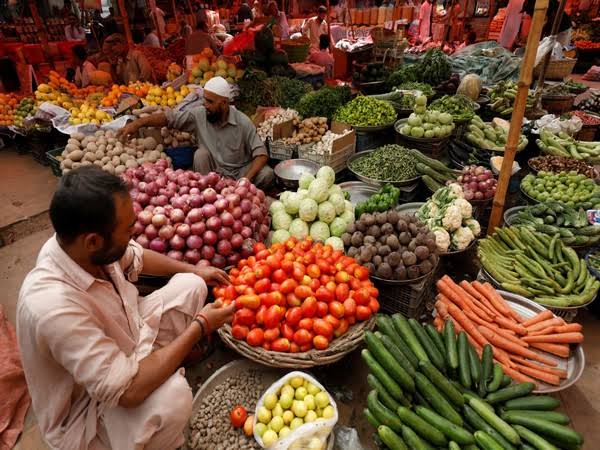
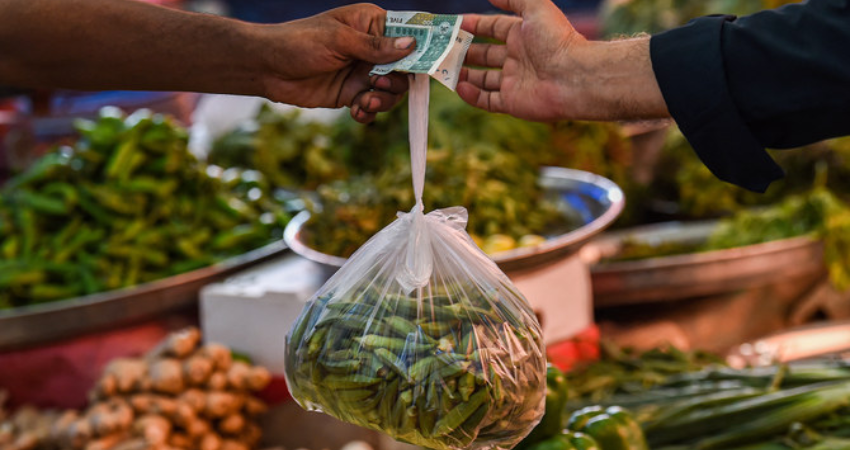
You go to buy tomatoes, and they're suddenly 120 rupees per kilogram. Last month they were 40. Onions have doubled. Leafy greens are nowhere. You're standing there thinking: what happened? Did tomatoes go extinct? Well, the answer involves glacial melt, monsoon flooding, and a climate system that's basically been put in a blender. This isn't bad luck at the market. It's climate change vegetable prices Pakistan getting more unpredictable every year, and it's about to get worse.
Why Your Vegetables Cost Double in Spring
Here's the thing: Pakistan's entire produce system depends on three things—water, timing, and luck. Take away one, and prices go haywire.
Spring—especially March through May—is when you see the biggest vegetable price spikes. This isn't random. It's because of where Pakistan sits geographically and how our climate has started behaving like a moody teenager. Most of Pakistan's water comes from the Himalayas. Glaciers high up in Kashmir and the Karakoram range slowly melt through spring and summer, feeding rivers that flow down to the plains. For centuries, farmers knew exactly when to expect that water. Plant in this month, harvest in that month. Except it doesn't work anymore.
Glacial Melt: The Hidden Crisis
The Himalayas are melting faster than anyone planned for.
Climate scientists have known this for years, but the real-world effects are just now hitting household budgets across Islamabad, Rawalpindi, and every city between. Glaciers that used to reliably feed rivers every spring are now melting earlier—sometimes weeks earlier than the historical pattern. Sometimes they're not melting enough at all.
Why does this matter for vegetables? Because farmers in Punjab and Sindh depend on irrigation from these melt patterns. If the snow melts too early, the water runs down the rivers in February when nobody's planted yet. By spring, when farmers actually need water for their crops, the supply is drier than usual. No water, no crops. No crops, no supply. Supply shrinks, prices go up. When glaciers melt later—or when there's less snow to melt in the first place because winters have become warmer—the spring water shortage hits harder. We're talking about a system that evolved over thousands of years, now disrupted in what amounts to a couple of decades. Most people don't even realize their expensive tomatoes are connected to melting ice in the mountains hundreds of kilometers away.
Northern Flooding and the Lost Harvest
Then there's the other problem: when climate change vegetable prices dynamics get worse, it's not just droughts. Sometimes it's too much water, at the wrong time.
Kashmir and Khyber Pakhtunkhwa produce enormous amounts of vegetables for the rest of the country—lettuce, spinach, tomatoes, peppers, onions, potatoes. These regions are hit hardest by unpredictable monsoons and sudden flooding. In recent years, summer rains have become increasingly erratic. One year it doesn't rain. The next year, it rains so hard that entire fields get destroyed. Imagine being a farmer. You've planted your spring crop in the Kashmir Valley, expecting normal July rains. Instead, you get torrential rainfall in June that floods everything. Your crop is gone. Or sometimes you're expecting normal rain and you get nothing—drought instead. Either way, you're losing money and the rest of Pakistan is losing vegetables.
When northern crops fail, southern farmers in Sindh and Punjab suddenly have to increase production to fill the gap. But they can't just magic up more vegetables overnight. So while they're struggling to adapt, prices spike. Climate change vegetable prices in Pakistan have gotten so volatile that some farmers have started planting completely different crops just to hedge their bets, which means even fewer of the vegetables we need.
What Actually Gets Expensive When
Real talk: knowing which vegetables spike when can actually save you money.
Tomatoes and onions are the killers. These are staples in every Pakistani kitchen—for sauces, curries, everything. When northern production drops, prices shoot up. Spring and early summer usually hit hardest (April through June). Tomatoes can literally triple in price. I'm not exaggerating. I've seen it at the F-10 market in Islamabad multiple times.
Leafy greens—spinach, mustard greens, lettuce—get scarce and expensive in late spring when the winter crop ends and the summer crop hasn't fully kicked in. There's this awkward gap where supply is low. If you're someone who makes salads or cooks traditional greens, that's going to hurt your wallet. Peppers and cucumbers follow a similar pattern. Potatoes are more stable because they store well, but even potatoes get pricier when the spring harvest is affected by flooding or water shortage. The vegetables that stay relatively cheap? The ones that grow in Sindh and southern Punjab year-round and don't depend as heavily on spring conditions.
What You Can Actually Do About It
Look, complaining about prices is easy. Actually adapting is harder, but not impossible.
First: eat seasonally. I know this sounds like something a food blogger would say, but hear me out. When you buy vegetables that are actually in season—when they're local and abundant—they're cheaper. Way cheaper. In March, focus on vegetables naturally harvested then. Spring onions. Peas. Cabbage. Cauliflower. These are abundant, cheap, and delicious. By the time summer hits, shift to tomatoes, peppers, and zucchini. By eating this way, you're not fighting against the climate and the water system. You're flowing with it.
Second: buy in bulk and preserve. If tomatoes are cheap in July and August, buy extra and make sauce or paste. Freeze peppers. Dry herbs. This isn't just a money thing—it's a security thing. When you've got preserved vegetables in your freezer, you're not held hostage by spring prices. Third: grow what you can. Even if it's just herbs in pots on a balcony, even if it's a small vegetable garden in a backyard. It won't feed your family, but it reduces dependence. And yes, you'll see firsthand how climate change affects even small-scale growing. Fourth: stop assuming prices will ever go back to what they were. They won't. Budget accordingly. Adjust expectations.
The Bigger Picture
None of this is anyone's individual fault. You're not bad with money because tomatoes are expensive. Farmers aren't bad at farming because glaciers are melting. This is a systems problem. Pakistan is incredibly vulnerable to climate impacts because our agriculture depends so heavily on water systems we can't control. The Indus River system feeds the entire country. Glaciers feed the Indus. When glaciers change, everything changes.
The good news? Awareness is the first step. When you understand why prices spike, you make better decisions. When enough people understand, we can push for better policy around water conservation, agricultural adaptation, and climate resilience.
The next time you're buying vegetables online through FreshBox, remember that price tag tells a story about water, mountains, and seasons that have gone haywire. Understanding the why means you can plan better, waste less, and make choices that actually fit your budget and the actual world we're living in now.
Ready to start eating healthy?
Browse our selection of fresh produce and groceries, delivered to your doorstep in minutes.
Start Shopping