
Qurbani Meat Storage in May: Expert Tips for Summer Heat
The May Heat Problem Nobody Talks About
It's the last week of April, the temperature is already touching 38 degrees Celsius, and your phone is blowing up with WhatsApp groups debating qurbani dates. You're thinking about the meat you'll get, how much you need, and where on earth you're going to store it when May rolls around with its absolutely relentless heat.
Real talk: most Pakistani homes aren't prepared for qurbani meat storage when summer is at its peak.
I've watched relatives lose entire portions of meat to spoilage because they didn't think ahead. Someone's freezer breaks down on July 15th, the electrician says "maybe tomorrow," and suddenly you're scrambling. Or power goes out for six hours and nobody realizes it until the meat smells off. These aren't small inconveniences — they're money wasted and food wasted.
Why Qurbani Meat Storage in Summer is Actually Stressful
Look, meat is expensive. Qurbani meat especially — you've saved for it, coordinated with family, made decisions about shares. The last thing you want is to lose it because you didn't have a proper storage plan.
May and June in Islamabad and Rawalpindi are genuinely brutal months. Temperatures climb into the high 30s and 40s. Fridges work overtime. Power cuts happen — sometimes for just an hour, sometimes for three or four, and sometimes the whole neighborhood gets unlucky. Freezers can't handle this kind of stress if they're already full or if the door keeps opening and closing.
Spoiled meat isn't just disappointing. It's a health risk. Bacteria multiply fast in heat, and by the time you notice something is off, it's too late.
Start With Your Freezer — The Real Work
Before you even think about bringing meat home, your freezer needs to be clean and cold.
Empty it out. Properly. Not just shove things around — actually take everything out, wipe the shelves with a cloth, and organize what's going back in. This takes an afternoon, but it's worth it. You want to maximize space and airflow. A freezer packed haphazardly doesn't work efficiently.
Check the temperature. If your freezer doesn't have a dial or readout, buy a simple thermometer. You're aiming for minus 18 degrees Celsius or lower. If it's not cold enough, adjust the settings or call someone to check it before May arrives. Don't wait until you're in a panic.
Here's the thing: clearing space isn't optional when you're planning qurbani meat storage. You need room for proper arrangement, room for air to circulate, and room to add extra ice packs if needed.
The Ice Pack Strategy (Yes, Really)
Sounds simple, but this changes everything.
Two weeks before qurbani, buy a good supply of reusable ice packs and keep them in your freezer. Better yet, freeze bottles of water. They're free, they're effective, and they double as drinking water when they thaw. You want at least 4-6 of these ready.
When you bring the meat home, arrange it strategically. Layer from bottom to top: ice pack, meat in sealed containers, ice pack, more meat, ice pack. The idea is that if the power goes out, or if the freezer struggles, the cold lasts longer because you have built-in backup cooling around the meat.
Some people wrap ice packs in newspaper before freezing them. It sounds old-fashioned, but it actually helps distribute cold more evenly and prevents ice burn on the meat.
Packaging for Qurbani Meat Storage That Actually Works
Don't just throw meat in the freezer.
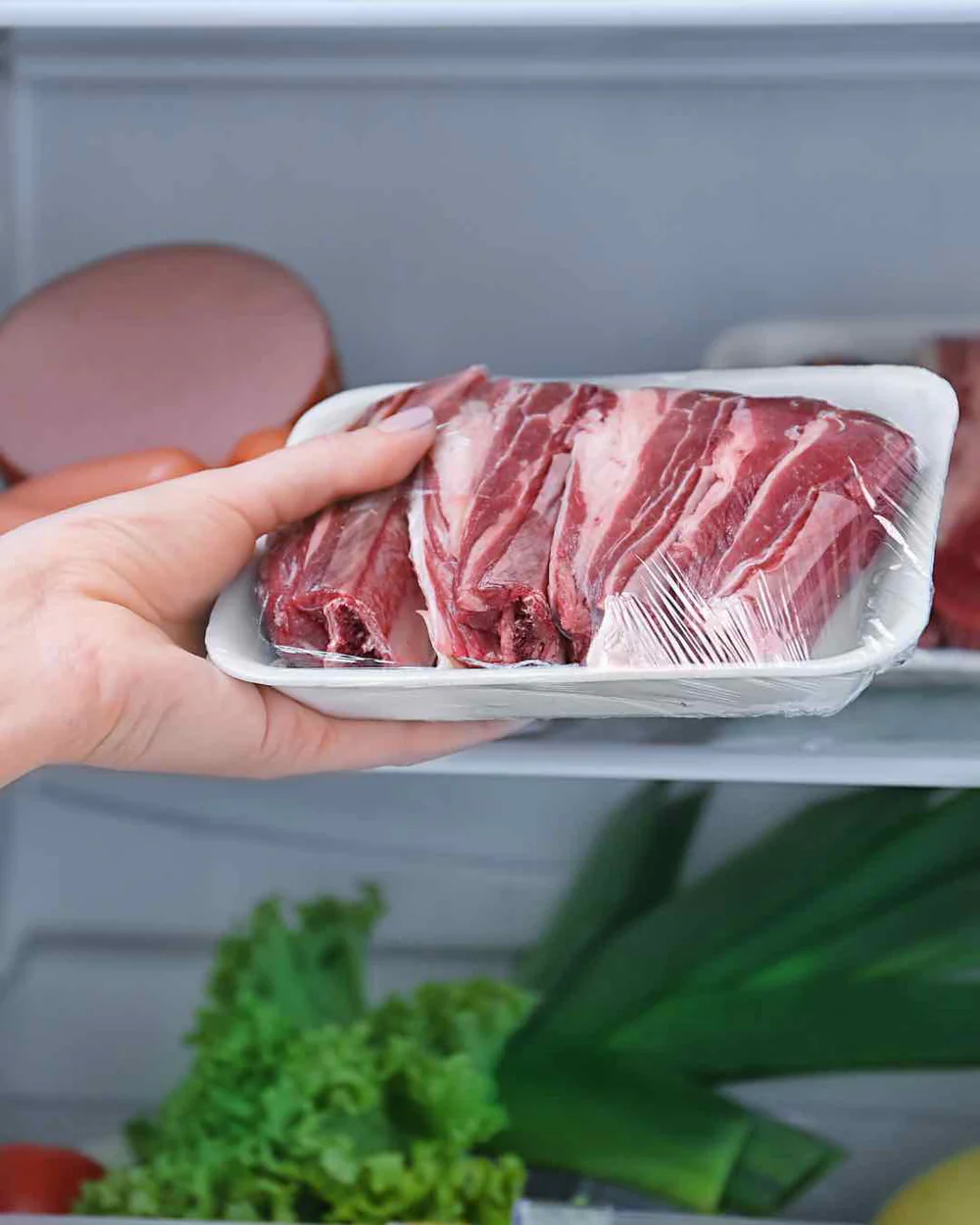
Use airtight containers or heavy-duty freezer bags. Freezer bags are better than regular plastic bags — they're thicker and actually seal properly. If you use containers, leave a tiny bit of space at the top because meat expands when it freezes.
Label everything. Write the date, the cut, and what it is. You think you'll remember, but in July when you're opening the freezer in a hurry, you won't. Use a permanent marker and label the lid or the side of the bag.
Portion it as you buy it. Don't freeze a giant chunk and expect to thaw just what you need later. Smaller portions thaw faster, freeze more reliably, and are way easier to work with. If you're planning to use some meat for keema, some for karahi, some for nihari — prep and portion accordingly before freezing.
What to Do If the Power Goes Out (It Will)
It's May or June. The electricity goes out.
First rule: don't open the freezer. Seriously. Every time you open it, cold escapes and the contents warm up faster. A closed freezer keeps food safe for 48 hours in most cases, even without power. Leave it closed.
If the outage lasts longer than a few hours and you have advance warning, move ice packs into the freezer — wait, that doesn't make sense because the power is out. What you actually do is fill containers with ice from a cooler or buy ice from a nearby shop, put it in sealed bags, and layer it around your meat.
Keep a simple cooler box handy starting in May. Even a basic one. If there's a power cut, you can transfer meat to the cooler with ice packs and keep it safe while you figure out what's happening.
The Backup Plan: Refrigerator Method
If your freezer genuinely can't fit everything, use the fridge strategically.
Meat keeps for 3-4 days in the fridge if it's at the right temperature (below 4 degrees). So here's what some smart people do: freeze what they'll use in weeks 3-4, refrigerate what they'll use in the first week, and keep the rest in cold storage somewhere. If you have access to a relative's freezer or someone with backup power, that's actually reasonable.
Don't mix cooked and raw meat in the fridge. Use separate shelves. Keep raw meat on the lowest shelf so nothing drips on other food.
Buy the Right Cuts to Start With
This matters more than people realize.
Some cuts freeze better than others. Lean meat freezes and thaws better than meat with lots of fat. Bones actually help meat stay fresher longer. Minced meat or keema freezes well but doesn't last as long as chunks. If you know you'll be storing meat for weeks, ask for cuts that freeze well — proper chunks, steaks, or pieces with some bone.
One More Thing About May
Honestly, qurbani meat storage is easier if you plan it like you'd plan anything else important. Two weeks before, get your freezer ready. A week before, buy ice packs and get your containers sorted. When the meat comes, organize it immediately. Label it. Distribute it if you need to.
It's not complicated. It's just intentional.
If you're buying fresh vegetables and other groceries while managing meat storage, keeping everything together in one delivery keeps your kitchen organized. You can order from FreshBox, check the temperature of your fridge and freezer, make sure everything is stored correctly, and not worry about multiple trips during the heat.
The Real Bottom Line
May heat in Islamabad and Rawalpindi is no joke. Power cuts happen. Freezers get overwhelmed. But spoiled meat doesn't have to be inevitable.
A clean freezer, good ice packs, proper packaging, smart portioning, and honest labeling — that's all you need. It sounds boring because it is. But boring keeps your qurbani meat fresh, your family healthy, and your money from going to waste.
Start planning now, while the weather is still reasonable and you have time to figure out what you need. You'll be grateful in July.
Ready to start eating healthy?
Browse our selection of fresh produce and groceries, delivered to your doorstep in minutes.
Start Shopping
Written by
Faisal ShehzadFaisal Shehzad writes practical, locally-grounded guides on groceries, seasonal produce, nutrition and home cooking for households across Islamabad and Rawalpindi.
View all articles →