
Traditional Pakistani Cooking Hacks Your Mom Still Uses
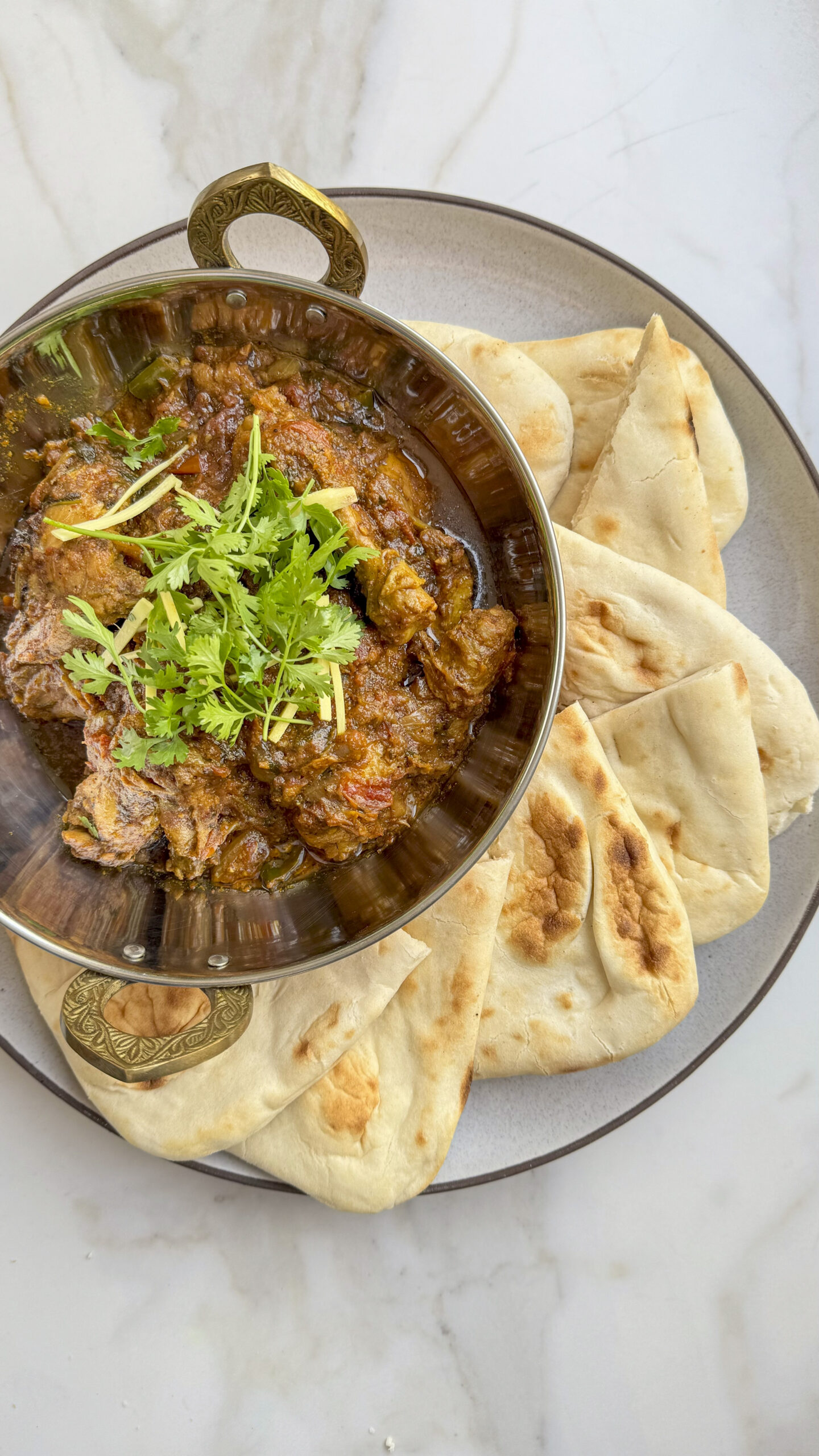
Your Mom's Kitchen Was a Masterclass in Smart Cooking
Your mother didn't have YouTube tutorials or a pantry full of fancy gadgets. She had something better—decades of generational wisdom passed down through the kitchen. Every burnt bottom of a biryani taught her something. Every failed batch of flatbread made her smarter. And somehow, with nothing but a stone mortar, a cast iron tawa, and an instinct for when oil was the right temperature, she produced meals that cost a fraction of what restaurants charge today.
That knowledge isn't just nostalgia. It's the foundation of traditional Pakistani cooking—and it's still the best approach to making delicious food on a budget.
Why Traditional Pakistani Cooking Still Works Better
Traditional Pakistani cooking didn't survive this long because it tastes good—though it absolutely does. It survived because it's efficient. It doesn't waste. Your grandmother's methods weren't invented to be trendy or sustainable. They were practical solutions born from necessity.
When she fried the same pot of oil three times before discarding it, she wasn't performing some Instagram-worthy zero-waste ritual. She was being smart. That oil was still clean, still usable, and most importantly, it had picked up flavor from the first two uses. The oil that cooked your spices yesterday makes today's lentil curry taste better. Richer. More complex. And it costs nothing extra.
This is the real advantage of traditional Pakistani cooking—nothing gets wasted, everything gets maximized, and somehow the food tastes better in the process.
The Kitchen Hacks That Actually Save Money
Toast Your Spices Dry First
Your mother would dry-roast whole spices in a pan before grinding them. No oil, no water—just direct heat in a heavy-bottomed pan. This does two critical things: it brings out flavors that stay locked inside raw spices, and it means you use significantly less spice overall because what you use is more concentrated and potent.
A teaspoon of freshly roasted and ground cumin tastes like two teaspoons of store-bought powder. That's not an exaggeration—it's chemistry. And it's a direct way to cut your spice costs in half.
Reuse Your Oil Intelligently
The cast iron tawa your mom cooked morning flatbread on? That oil got strained through a cloth and stored in a glass bottle. It went straight to the afternoon curry. Then to the next day's vegetables. After three solid uses, yes, it finally got discarded—but not before earning every bit of its keep.
Modern kitchens throw away used oil after one use. Traditional households understood that clean, properly strained oil stays good for multiple rounds of cooking. The key is straining it through cloth and storing it properly in glass bottles, away from heat and light.
Grind Your Own Everything
Ginger-garlic paste from fresh roots. Spice blends custom-tailored to your family's taste. Red chili powder ground from actual dried chilies you've roasted yourself. Your mother's grinder probably cost less than a fancy coffee machine, and it outlasted three appliance trends.
Fresh-ground spices cost less than pre-ground versions, taste exponentially better, stay fresher longer, and give you complete control over the quality. That's a win in every direction.
Use the Whole Vegetable
Carrot tops went into green vegetables and curries. Onion skins flavored stocks and dals. The inside of pumpkin skin got cooked and eaten because waste wasn't really an option. These weren't some precious farm-to-table luxury—they were just normal life in every traditional Pakistani household.
Storage Wisdom Your Fridge Has Forgotten
Your mom stored spices in glass or metal, not plastic. She kept whole spices in one container and ground them as needed. Her yogurt lived in earthenware during summer because it stays naturally cooler. Her ghee was stored in a metal tin away from light and heat.
These weren't tips from a wellness blog. This was just how kitchens functioned for generations. And every single practice is still cheaper and better than modern alternatives.
Her fridge routine was also different. She didn't buy pre-chopped vegetables. She bought whole vegetables and processed them when she had time. Yes, it took longer. But it meant food lasted longer, tasted fresher, and cost half as much as supermarket pre-packaged options. That's not being old-fashioned—that's being smart.
The Time Investment vs. The Money You Actually Save
Real talk: traditional Pakistani cooking takes time. Your mom woke up early. She planned meals ahead. She didn't decide at 6 PM what to cook for dinner. But here's the crucial trade-off—that time investment saved serious money.
Hand-kneaded dough is cheaper than store-bought naan. Meat marinated properly goes further because it absorbs more flavor and moisture. Cooking from scratch always, always costs less than the convenient alternative. If you applied even three of your mother's cooking hacks, you'd probably save 20-30% on your grocery bills while eating better food.
How to Start Today
You don't need to become your grandmother overnight. Start small. Pick one thing. Maybe it's grinding your own spices. Or toasting cumin and coriander at home instead of buying pre-ground versions. Or stopping yourself from buying pre-minced ginger when fresh costs less and tastes infinitely better.
Once that becomes automatic, add another habit. In six months, you'll find yourself naturally sliding back into the cooking practices that shaped your family's kitchen culture.
Traditional Pakistani Cooking Is Still the Standard
Your grandmother's kitchen wasn't just efficient or budget-conscious. It was right. The methods worked. The food tasted incredible. The waste was minimal. And it cost less.
That's not nostalgia talking. That's just how good this actually is. Your mom didn't follow these techniques because she was trying to be eco-conscious or trendy. She followed them because they worked, because they made food taste better, and because they made sense. All three reasons still apply today.
If you want to make shopping easier while keeping these practices alive, you can get quality fresh ingredients delivered—so you can focus on the cooking techniques that actually matter. Find what you need on FreshBox, then cook them the way your mom taught you.
Frequently Asked Questions
What are some traditional Pakistani cooking hacks that save money?
Why should you toast spices before grinding them?
Is it safe to reuse cooking oil?
How much can traditional cooking habits save on groceries?
Ready to start eating healthy?
Browse our selection of fresh produce and groceries, delivered to your doorstep in minutes.
Start Shopping
Written by
Faisal ShehzadFaisal Shehzad writes practical, locally-grounded guides on groceries, seasonal produce, nutrition and home cooking for households across Islamabad and Rawalpindi.
View all articles →